
Lake Nakuru National Park: Your Complete Guide to Kenya’s Flamingo Paradise
Have you ever witnessed millions of pink flamingos painting a lake’s surface like a living sunset? This breathtaking spectacle awaits you at one of Africa’s most extraordinary wildlife destinations.
Nestled squarely on the Great Rift Valley floor, Lake Nakuru National Park mirrors the sky in its semi-alkaline waters while surrounding woody grasslands teem with wildlife. This ecological wonderland combines stunning landscapes with Kenya’s densest rhino populations, creating an unforgettable safari experience. Whether you’re scanning for rare birds or tracking the Big Five, this park delivers natural beauty on an extraordinary scale.
In this guide, you’ll discover everything you need to plan your visit to this flamingo lake Kenya treasure. You’ll learn current entrance fees, explore the best birdwatching park locations for photography, understand why flamingo populations fluctuate, and uncover hidden viewpoints that most visitors miss. From practical logistics to wildlife secrets, you’ll gain insider knowledge that transforms ordinary visits into remarkable adventures.
Why Lake Nakuru National Park Stands Apart
Lake Nakuru National Park occupies 188 square kilometers of diverse habitats ranging from rocky escarpments to acacia woodlands. The semi-alkaline lake itself forms the park’s centerpiece, creating unique conditions that support specialized wildlife found nowhere else in Kenya.
This park made history in 1987 when it became Kenya’s first rhino sanctuary. Today, it hosts one of Africa’s largest black rhino concentrations alongside substantial white rhino populations. Conservation efforts here demonstrate how protected areas can reverse species decline through dedicated management and anti-poaching measures.
The park’s compact size works to your advantage. Unlike vast savannah parks requiring full-day drives between sightings, Lake Nakuru concentrates incredible biodiversity in easily navigable terrain. You can spot lions, leopards, buffalo, and both rhino species within hours, making it an efficient Big Five destination—though elephants remain notably absent.
Most visitors arrive seeking the famous flamingo spectacle at this flamingo lake Kenya destination. While numbers fluctuate based on water chemistry and algae availability, even reduced populations create stunning pink carpets across the water. The alkaline environment that attracts flamingos also supports 450+ bird species, cementing the park’s reputation as the best birdwatching park in Kenya’s central region.
Planning Your Visit: Fees and Practical Information
You pay all fees through Kenya Wildlife Service’s Ecitizen portal using M-Pesa, Visa, RTGS, or Electronic Funds Transfer. Book your entrance in advance, especially during peak seasons, to avoid delays at the gate.
The park opens daily from 6:00 AM to 6:00 PM. Arrive early morning or late afternoon for optimal wildlife viewing when animals are most active. The easy-to-navigate topography makes self-driving pleasurable, though hiring a guide significantly enhances your experience by locating elusive species and sharing ecological insights.
The Flamingo Phenomenon: Understanding Lake Chemistry
Flamingos transform this park into a pink wonderland—when conditions align perfectly. These elegant birds feed on Spirulina platensis, a blue-green algae thriving in the lake’s alkaline waters. Chemical balance determines everything.
Lake Nakuru’s shallow, semi-alkaline composition creates ideal algae growth under specific conditions. The flamingos arrive in massive flocks, sometimes numbering in the millions, when algae blooms peak. Their synchronized feeding creates mesmerizing pink waves across the water’s surface.
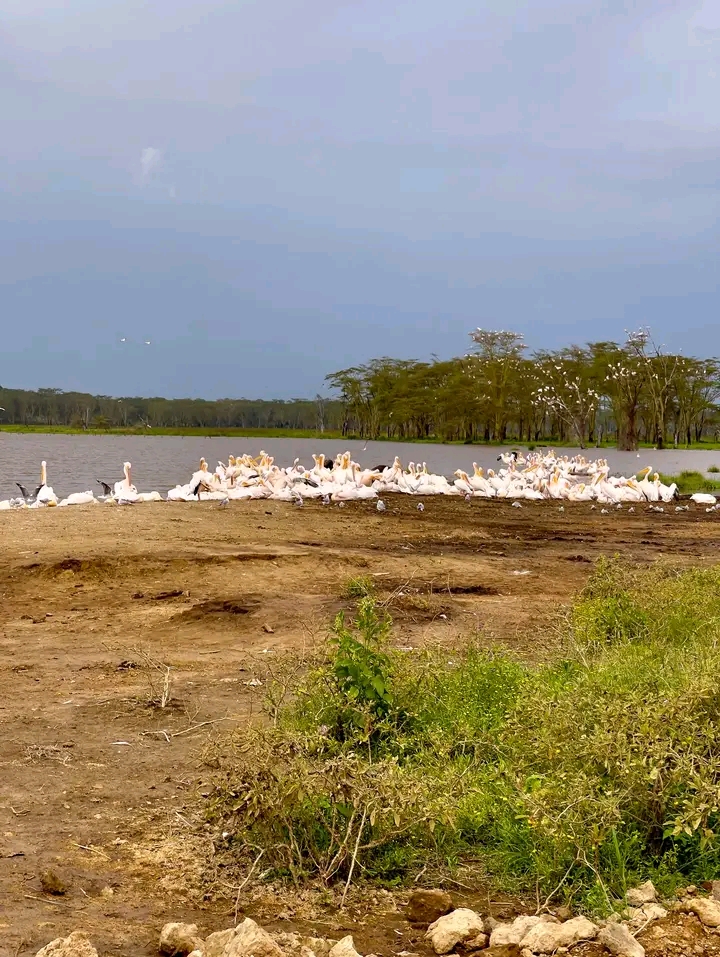
Don’t let potential flamingo absence discourage your visit. Even with reduced populations, the flamingo lake Kenya experience remains extraordinary. Lesser and greater flamingo species create stunning visual displays alongside pelicans, fish eagles, and countless other waterbirds painting the shoreline.
Best Birdwatching Park Locations and Viewpoints
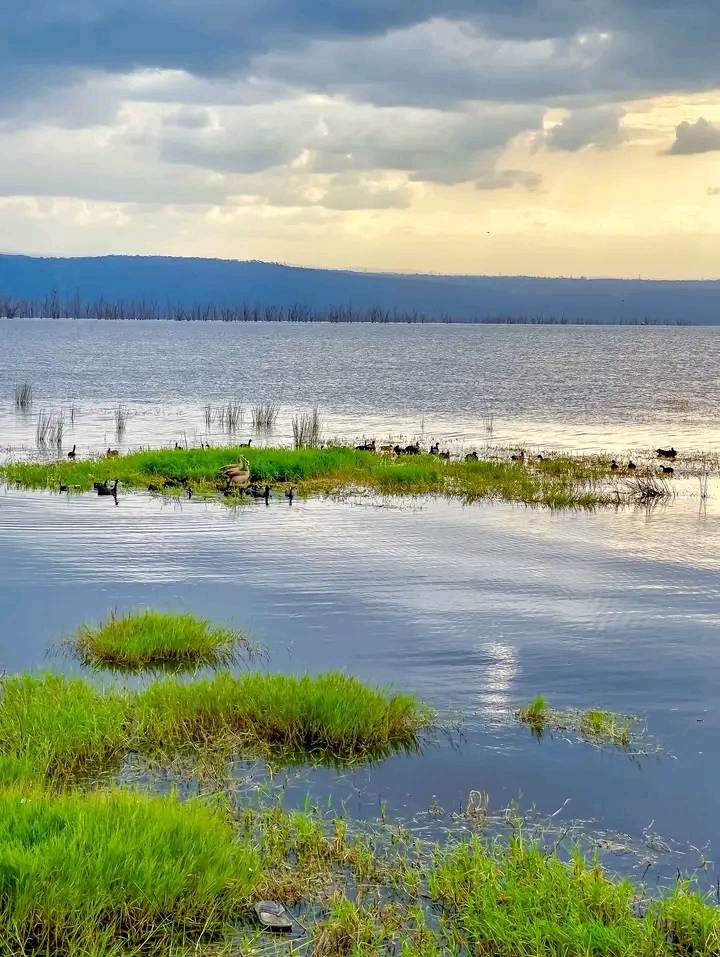
Lake Nakuru National Park delivers exceptional birding opportunities across varied habitats. The 450+ species include water birds, fish-eaters, terrestrial species, and migratory visitors creating year-round diversity.
Prime Birding Locations:
- Baboon Cliff offers panoramic lake views perfect for spotting flamingos, pelicans, and fish eagles hunting along the shoreline. This dramatic escarpment provides elevated perspectives revealing the full scope of bird concentrations below. Bring binoculars for distant waterbird identification and cameras with telephoto lenses for capturing dramatic landscapes.
- Lion Hill Ridge presents another excellent vantage point combining bird diversity with predator possibilities. Eagles soar on thermal currents while smaller species inhabit surrounding acacia woodlands. The mixed habitat creates transition zones where different bird communities overlap, increasing species variety.
- Out of Africa Hill gained fame from the classic film but delivers genuine ornithological rewards beyond cinematic nostalgia. This accessible viewpoint suits all fitness levels while providing comprehensive lake panoramas ideal for scanning large waterbird congregations.
- Makalia Waterfall attracts forest-dwelling species absent from open areas. Secretary birds stalk grasslands nearby while herons, egrets, and hamerkops work the water’s edge. The waterfall picnic site combines natural beauty with productive birding, making it perfect for extended observation sessions.
The Rhino Sanctuary Success Story
Kenya’s first rhino sanctuary achievement transformed Lake Nakuru National Park into a conservation cornerstone. Poaching devastated rhino populations across Africa during the 1970s and 1980s, pushing species toward extinction. This park pioneered Kenya’s recovery efforts.
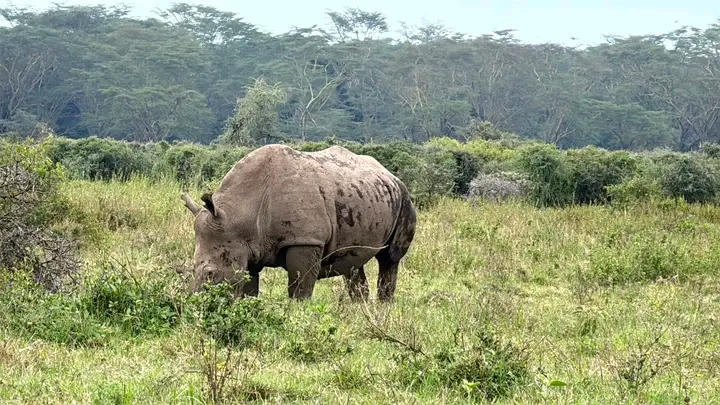
White rhinos, successfully introduced through translocation programs, graze open grasslands in small groups. Their square lips perfectly suit grass-feeding habits, distinguishing them from black rhinos’ pointed, prehensile lips designed for browsing leaves and branches. The park sustains both species simultaneously through habitat diversity.
Anti-poaching units patrol constantly, employing modern technology including drones and camera traps supplementing traditional ranger patrols. This multi-layered security approach keeps poaching incidents minimal, allowing populations to grow steadily. Your entrance fees directly fund these conservation efforts, making every visit a contribution to rhino survival.
Spotting rhinos requires patience and luck despite their substantial populations. These massive animals blend surprisingly well into vegetation, their gray coloration providing excellent camouflage. Guides know favored territories and recent sighting locations, dramatically increasing encounter probabilities.
Beyond Birds and Rhinos: The Complete Wildlife Experience
Lake Nakuru National Park’s ecological diversity supports remarkable wildlife variety beyond its famous residents. The 550+ plant species create habitats supporting everything from tiny rock hyraxes to powerful predators.
Predators and Prey:
Lions patrol open grasslands and woodland edges, their tawny coats blending into golden grass during dry seasons. Pride sizes remain modest, but regular sightings occur, especially near buffalo herds and antelope concentrations. Patient observation from strategic viewpoints often reveals lions resting in shade during midday heat.
Leopards prefer rocky outcrops and dense vegetation offering ambush opportunities. These solitary, nocturnal hunters prove more elusive than lions, but early morning and late afternoon drives occasionally reveal them lounging in trees or stalking along cliff bases.
Spotted and striped hyenas scavenge efficiently while occasionally hunting vulnerable prey. Their distinctive calls echo across the park after dark, creating an atmospheric soundtrack to evening game drives. Smaller carnivores including serval cats, silver-backed jackals, side-striped jackals, civets, genets, and mongooses complete the predator community.
Herbivores and Primates:
Graceful impalas bound through acacia woodlands in large herds, their reddish-brown coats and distinctive lyre-shaped horns making identification easy. Shaggy waterbucks prefer areas near water sources while shy bushbucks hide in dense vegetation, emerging cautiously to feed during quiet periods.
Rothschild giraffes tower above acacia trees, their long necks perfectly adapted for browsing upper canopy leaves. Zebras stripe the landscape in bold black-and-white patterns while buffalo herds create dust clouds crossing open areas.
Rock hyraxes sun themselves on rocky outcrops, their guinea pig appearance belying their unexpected evolutionary relationship to elephants. These small mammals colonize cliff faces and boulder piles throughout the park.
Primates add entertainment value through animated social behaviors. Somber olive baboons travel in large troops, their complex hierarchies playing out through constant interactions. Black-faced vervet monkeys display acrobatic abilities while dignified colobus monkey troops prance gracefully among tree branches, their spectacular black-and-white fur flowing dramatically during leaps.
Landscape Features and Picnic Spots
Distinctive hills create ready landmarks helping orient visitors throughout Lake Nakuru National Park. Enasoit Hill, Honeymoon Hill, and Lion Hill Ridge punctuate the landscape, each offering unique perspectives and photographic opportunities.
The park’s yellow acacia woodlands create classic African savannah aesthetics while euphorbia trees gradually reclaim areas devastated by past fires. This vegetation recovery demonstrates ecosystem resilience when protected from human interference.
Perfect Picnic Locations:
Baboon Cliff combines dramatic views with designated picnic facilities. Spread your blanket while watching flamingos feed below and eagles soar overhead. The cliff’s elevation provides cooling breezes even during hot afternoons.
Out of Africa Hill offers another scenic picnic option with historical film location appeal. The gentle terrain suits families with young children while lake panoramas create memorable backdrops for photos.
Makalia Waterfall represents the crown jewel of park picnic destinations. Cascading water creates soothing sounds while spray generates cool microclimates. The modern campsite doubles as a picnic area with excellent facilities. This location suits extended visits combining relaxation with wildlife observation as animals approach the waterfall for drinking.
Understanding Lake Nakuru’s Evolution
Lake Nakuru’s history spans millennia, revealing dramatic transformations from freshwater depths to today’s shallow alkaline character. Around 10,000 years ago, this lake formed part of a much larger, deeper freshwater system. Climate changes and geological shifts dried the ancient lake, leaving current salty remnants.
The Great Rift Valley location contributed to evolving alkaline chemistry. Volcanic activity released minerals into water while limited outflow concentrated salts through evaporation. This unique environment created specialized ecosystems found in few global locations.
The area transitioned from private ranch land to protected status following Kenyan independence. Government acquisition transformed scattered estates into unified conservation areas, establishing the park we visit today.
The 1987 rhino sanctuary designation marked a conservation milestone. Kenya recognized that protecting rhinos required dedicated safe zones with intensive management. Lake Nakuru pioneered this approach, proving that targeted conservation could reverse population declines.
UNESCO World Heritage Site designation in 2011 recognized the Kenya Lake System’s exceptional value. Lake Nakuru joins Elementaita and Bogoria as internationally significant wetlands supporting globally important bird populations and unique alkaline ecosystems worthy of perpetual protection.
Making the Most of Your Visit
Timing Your Trip:
Visit during dry seasons (July-October, January-February) for optimal wildlife viewing as animals concentrate around permanent water sources. Roads remain easily navigable and vegetation thins, improving visibility.
Wet seasons (March-June, November-December) transform landscapes into lush green expanses while migratory birds arrive, boosting species diversity. However, some tracks become challenging and animals disperse across abundant water sources.
Photography Tips:
Bring telephoto lenses (300mm minimum) for bird and distant wildlife photography. Wide-angle lenses capture sweeping landscape views from cliff viewpoints. Early morning and late afternoon provide ideal lighting with warm tones enhancing images.
Pack dust protection for camera equipment and extra batteries as charging opportunities are limited. Memory cards fill quickly when flamingo flocks create irresistible shooting opportunities.
What to Bring:
- Binoculars for birding and distant animal observation
- Field guides for species identification
- Sun protection (hat, sunscreen, sunglasses)
- Layered clothing for temperature variations
- Plenty of water and snacks
- Binoculars enhance every wildlife encounter
Maximizing Wildlife Encounters:
Drive slowly and scan continuously. Animals blend remarkably well into surroundings, and hasty driving guarantees missed sightings. Stop frequently at viewpoints and allow time for landscapes to reveal hidden wildlife.
Hire knowledgeable guides who track recent animal movements and understand behavioral patterns. Their expertise locates elusive species and explains ecological relationships that self-drivers often miss.
Respect park regulations protecting both visitors and wildlife. Maintain safe distances, never exit vehicles except at designated areas, and avoid actions that stress animals or alter natural behaviors. As you plan your trip, it is essential to learn the Swahili language, from our comprehensive Swahili lessons guide.
Frequently Asked Questions
How Much Does It Cost to Visit Lake Nakuru National Park?
Entry fees vary by residency status. East African citizens pay KSh 1,500 (adults) or KSh 750 (children). Non-residents pay $90 (adults) or $45 (children), while African citizens pay $50 (adults) or $25 (children). Additional vehicle charges range from KSh 600 to KSh 5,000 depending on seating capacity. You pay through KWS Ecitizen portal using M-Pesa, Visa, or bank transfer. Optional guided tours cost KSh 2,000-4,000 depending on duration. Total costs remain reasonable compared to premium safari destinations while delivering exceptional wildlife experiences.
Why Are Flamingo Numbers Lower Than Historical Peaks?
Flamingo populations fluctuate dramatically based on lake chemistry and water levels. The 2011 flooding significantly expanded Lake Nakuru, diluting alkaline concentrations that support Spirulina algae—the flamingos’ primary food source. When algae populations crash, flamingos migrate to neighboring soda lakes like Bogoria and Elementaita seeking better feeding conditions. This natural pattern means flamingo numbers vary from millions to thousands depending on current alkalinity levels. Even during low periods, Lake Nakuru National Park remains spectacular, offering diverse wildlife and hundreds of other bird species beyond flamingos.
What Makes Lake Nakuru the Best Birdwatching Park in Central Kenya?
Lake Nakuru National Park supports over 450 bird species across diverse habitats including alkaline lake shores, acacia woodlands, rocky cliffs, and grasslands. This habitat variety attracts water birds, raptors, terrestrial species, and seasonal migrants creating year-round diversity. Specialized alkaline-adapted species like flamingos and pelicans thrive alongside common African species. Accessible viewpoints including Baboon Cliff, Lion Hill, and Out of Africa Hill provide excellent observation positions. The compact park size allows visiting multiple productive birding locations within single-day visits, maximizing species counts efficiently compared to larger, more dispersed parks.
Can You See the Big Five at Lake Nakuru National Park?
Lake Nakuru hosts four Big Five species: lions, leopards, buffalo, and both black and white rhinos. Elephants remain absent, making this unique among Big Five destinations. The park’s rhino populations rank among Kenya’s largest, with both species regularly visible. Lions appear frequently near buffalo herds and open grasslands. Leopards prove more elusive but inhabit rocky outcrops and wooded areas. Buffalo graze throughout the park in substantial herds. The compact 188-square-kilometer area concentrates wildlife, increasing Big Four encounter probabilities compared to vast savannah parks requiring extensive driving between sightings.