Nairobi City: The Green, Growing, and Global Capital of Kenya
Nairobi City: The Green, Growing, and Global Capital of Kenya
Nairobi City stands as one of Africa’s most dynamic capitals—where wildlife meets skyscrapers, tradition blends with innovation, and opportunity thrives at every corner. As Kenya’s political, cultural, and economic heart, Nairobi has evolved from a humble railway stop into a globally recognized metropolis that attracts tourists, investors, and dreamers alike.
A Brief History of Nairobi City
Nairobi City traces its origins to 1899, when it was established as a temporary railway camp during the construction of the Kenya–Uganda Railway by the British colonial administration. The site was chosen primarily for its flat terrain, reliable water supply, and cool climate—ideal conditions for a railway depot and worker settlement. The name Nairobi is derived from the Maasai phrase Enkare Nairobi, meaning “place of cool waters,” a reference to the rivers and swamps that once dominated the area.
Initially, Nairobi was little more than a muddy outpost plagued by flooding, disease, and poor sanitation. Despite these early challenges, its strategic location between the port city of Mombasa and the interior regions of East Africa proved decisive. The railway transformed Nairobi into a key logistical hub, attracting traders, laborers, and administrators, and gradually replacing older coastal centers in economic and political importance.
By 1907, Nairobi City had officially replaced Mombasa as the capital of British East Africa. This marked a turning point in its urban development. Colonial planners introduced segregated residential zones, administrative buildings, and transport networks that laid the foundation for the city’s modern layout. While this period saw significant infrastructure growth, it also entrenched social and racial inequalities whose effects are still reflected in parts of the city today.
Following Kenya’s independence in 1963, Nairobi entered a new era of transformation. The city rapidly expanded as Africans migrated from rural areas in search of education, employment, and opportunity. Nairobi became a powerful symbol of African self-governance, ambition, and resilience, hosting national institutions, universities, and regional headquarters that shaped the country’s political and economic direction.
Today, the historical evolution of Nairobi City is visible across its landscape. Colonial-era buildings stand alongside modern skyscrapers, while landmarks such as museums, monuments, and preserved neighborhoods tell the story of a city shaped by railway lines, colonial rule, independence, and globalization. This layered history gives Nairobi its unique character—rooted in the past, yet constantly reinventing itself for the future.
Nairobi Tourism: Where Nature Meets Urban Life
One of the most remarkable aspects of the city is Nairobi tourism, which offers a rare and compelling blend of wildlife, culture, and modern urban living. Few cities in the world can claim what Nairobi does—a thriving metropolis existing alongside untamed nature. This unique coexistence defines Nairobi’s identity and continues to attract travelers seeking experiences that go beyond conventional city tourism.
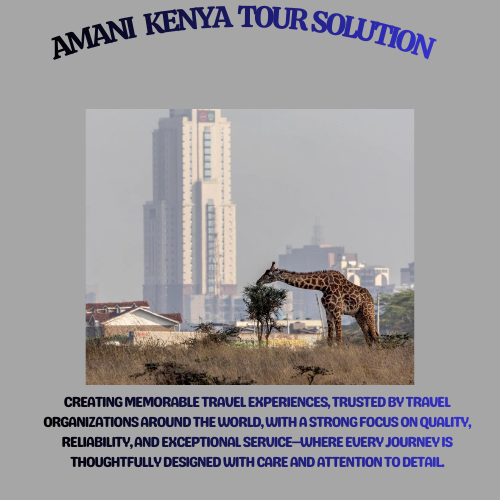
At the heart of this appeal is Nairobi National Park, the only national park located within a capital city. Just minutes from the central business district, visitors can witness iconic African wildlife such as lions, rhinos, giraffes, and buffalo roaming freely, framed by a backdrop of glass towers and skyscrapers. This extraordinary contrast symbolizes Nairobi’s ability to balance rapid urban growth with conservation, making the park one of the most photographed and talked-about attractions in Africa.
Beyond its wildlife, Nairobi tourism flourishes through a diverse range of cultural, historical, and recreational attractions. The David Sheldrick Wildlife Trust offers visitors an intimate look into elephant conservation and rehabilitation efforts, highlighting Kenya’s commitment to protecting endangered species. Meanwhile, the Karen Blixen Museum provides insight into colonial history and literary heritage, set within the tranquil surroundings of the former author’s home.
For outdoor enthusiasts, destinations such as the Ngong Hills offer panoramic views of the city, fresh air, and hiking trails that showcase Nairobi’s natural beauty. These green escapes, along with forest reserves like Karura and Arboretum parks, reinforce the city’s long-standing reputation as the Green City in the Sun.
Cultural exploration is another pillar of Nairobi tourism. Bustling markets such as the Maasai Market bring together artisans from across the country, offering handcrafted jewelry, textiles, and artwork that reflect Kenya’s rich cultural diversity. Live music venues, art galleries, and food festivals further immerse visitors in the city’s creative and social energy.
Strategically, Nairobi also serves as a gateway to Kenya’s world-renowned safari destinations, including the Maasai Mara, Amboseli, and Tsavo national parks. Its well-developed transport infrastructure and international airport make it an ideal starting point for travelers exploring the wider region. This connectivity strengthens Nairobi’s position as a central tourism hub in East Africa, seamlessly linking urban experiences with wilderness adventures.
An Economic Powerhouse of the Region
Nairobi is firmly established as the economic hub of East Africa, serving as the region’s financial, commercial, and innovation center. Its strategic location, skilled workforce, and strong infrastructure have attracted regional headquarters for multinational corporations, global banks, and leading international NGOs.
The city hosts major global institutions, including the United Nations Environment Programme (UNEP) and UN-Habitat, making Nairobi the only city in the Global South with multiple UN headquarters. This presence reinforces its influence in diplomacy, development, and international policy.
Nairobi’s economy is powered by diverse sectors such as finance, technology, manufacturing, real estate, and creative industries. Its fast-growing tech ecosystem—popularly known as Silicon Savannah—has positioned the city as a continental leader in fintech, mobile innovation, and digital entrepreneurship, driving economic growth well beyond Kenya’s borders
The People and Cultural Diversity
Nairobi City is a cultural mosaic. People from all 47 Kenyan counties, along with international communities, call the city home. This diversity fuels creativity, entrepreneurship, and social dynamism.
From music and art to fashion and cuisine, Nairobi’s cultural scene is vibrant and expressive. Local neighborhoods such as Westlands, Eastlands, and Kilimani each offer unique lifestyles and identities, contributing to the city’s rich social fabric.
Infrastructure and Urban Development
Over the past decade, Nairobi City has experienced rapid infrastructure and urban development aimed at supporting its growing population and economic ambitions. Flagship projects such as the Nairobi Expressway have significantly improved mobility by reducing travel time between key commercial and residential areas, while modern commuter rail services have enhanced connectivity between the city center and surrounding satellite towns.
At the same time, large-scale residential and mixed-use developments have transformed Nairobi’s skyline, responding to rising demand for housing, office space, and commercial hubs. These developments are complemented by expanded road networks, upgraded public transport systems, and improved utilities that support daily urban life.
Smart city initiatives, enhanced digital infrastructure, and increased public-private partnerships continue to drive efficiency and innovation in service delivery. Together, these advancements strengthen Nairobi’s livability and competitiveness, reinforcing its position as the economic hub of East Africa and a magnet for regional trade, investment, and long-term growth.
Awards and Global Recognition
Nairobi has received international recognition for its environmental initiatives, diplomatic importance, and innovation ecosystem. Its status as a global conference destination continues to grow, hosting high-profile summits on climate change, sustainability, and development.
The city’s green spaces, including Uhuru Park and Karura Forest, support its long-standing nickname—The Green City in the Sun.
Hospitality, Lifestyle, and Entertainment
Hospitality plays a central role in Nairobi tourism, with the city offering a wide range of accommodation and lifestyle experiences that cater to both international visitors and local residents. Nairobi is home to world-class hotels, luxury safari lodges, serviced apartments, and boutique stays that reflect global standards while retaining local character.
The city’s culinary scene is equally diverse, featuring international cuisine alongside authentic Kenyan dishes served in street eateries, cafés, and upscale restaurants. Nairobi’s nightlife is vibrant and varied, with lounges, live music venues, and cultural events that keep the city active well into the night.
Modern shopping malls, art galleries, theaters, and entertainment districts further enhance Nairobi’s lifestyle appeal. Together, these spaces create a dynamic urban environment where business, leisure, and culture intersect, offering a well-rounded and engaging experience for all who live in or visit the city.
Strategic Location and Connectivity
Located near the equator, Nairobi City enjoys a mild climate year-round. Jomo Kenyatta International Airport serves as a major aviation hub, connecting Africa to Europe, Asia, and the Middle East.
Its central position within Kenya and the wider region strengthens its role as the economic hub of East Africa, facilitating trade, logistics, and tourism flows.
The Future of Nairobi City
As Nairobi continues to grow, its future lies in sustainable urban planning, inclusive development, and technological advancement. With its youthful population, expanding economy, and global relevance, Nairobi City remains a beacon of opportunity in Africa. To explore more about our tour services within the city kindly visit our page on Tourism transport